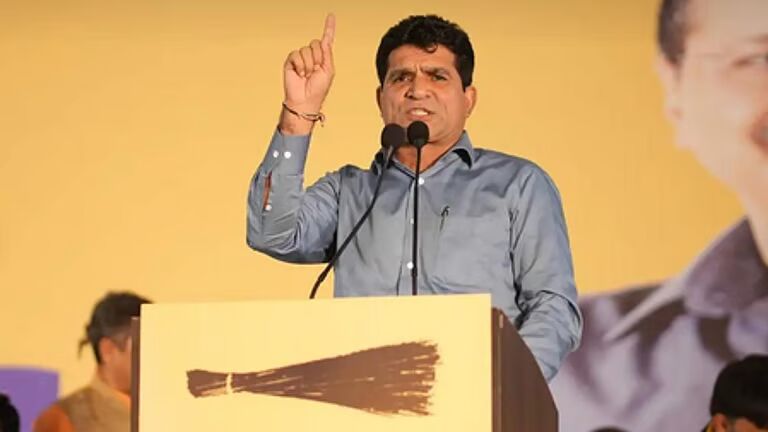
AHMEDABAD: The Aam Aadmi Party’s rollout of over 460 candidates for Gujarat’s local body elections on March 24 has triggered immediate backlash in Vadodara, with resignations and protests from party workers alleging that candidate selection was dictated centrally and ignored grassroots inputs. Gujarat AAP’s grand rollout of 460+ local body candidates has triggered a political paradox: while the party pitches “new politics of common people,” rebellion has erupted on the ground, especially in Vadodara, exposing cracks between central decisions and the local cadre. In a high-stakes political move, the Aam Aadmi Party in Gujarat unveiled its first list of over 460 candidates for the upcoming local body elections, projecting it as a decisive shift towards grassroots democracy, yet almost instantly colliding with internal dissent that threatens to blunt its momentum. State president Isudan Gadhvi framed the announcement as a political turning point, declaring, “Today a golden sun has risen for the common people in Gujarat. Today Aam Aadmi Party has given tickets to common people from taluka to district, municipality to municipal corporation and with this, a new politics has begun.” The assertion was not just symbolic but strategic, aimed at positioning the party as a disruptor against entrenched dynastic politics. Driving the message further, Gadhvi added, “We had a dream that the politics of father and son is over. Now we have started the politics of common people, and that is our good fortune. More than 460 such candidates have been given tickets who are socially active and are truly common people.” He coupled the optimism with an appeal to voters, urging them to “rise above caste and religion and accept this new politics,” signalling AAP’s attempt to redraw Gujarat’s electoral narrative.